In this article
Why a result takes a yearDays 1 to 14: healing, not growingWeeks 2 to 8: the shedMonths 3 to 6: first real growthMonths 6 to 12: thickeningMonths 12 to 18: the result maturesWhat can change your timelineWhen to call the clinicQuestions patients ask about growth- The first two weeks are about healing, not growth. Small scabs lift by around day fourteen.
- Transplanted hairs commonly shed in the first two months. The follicle stays; the hair returns.
- New growth typically starts from around month three and builds through month six.
- The result is judged at twelve months. Crowns often keep maturing towards eighteen.
Most of the questions we are asked after surgery are really one question: is this normal? Almost always, the answer is yes. Hair grows on a cycle measured in months, and a transplanted follicle has to settle into its new position before it rejoins that cycle. Knowing the order of events in advance makes the quiet months far easier to live with.
Why a result takes a year
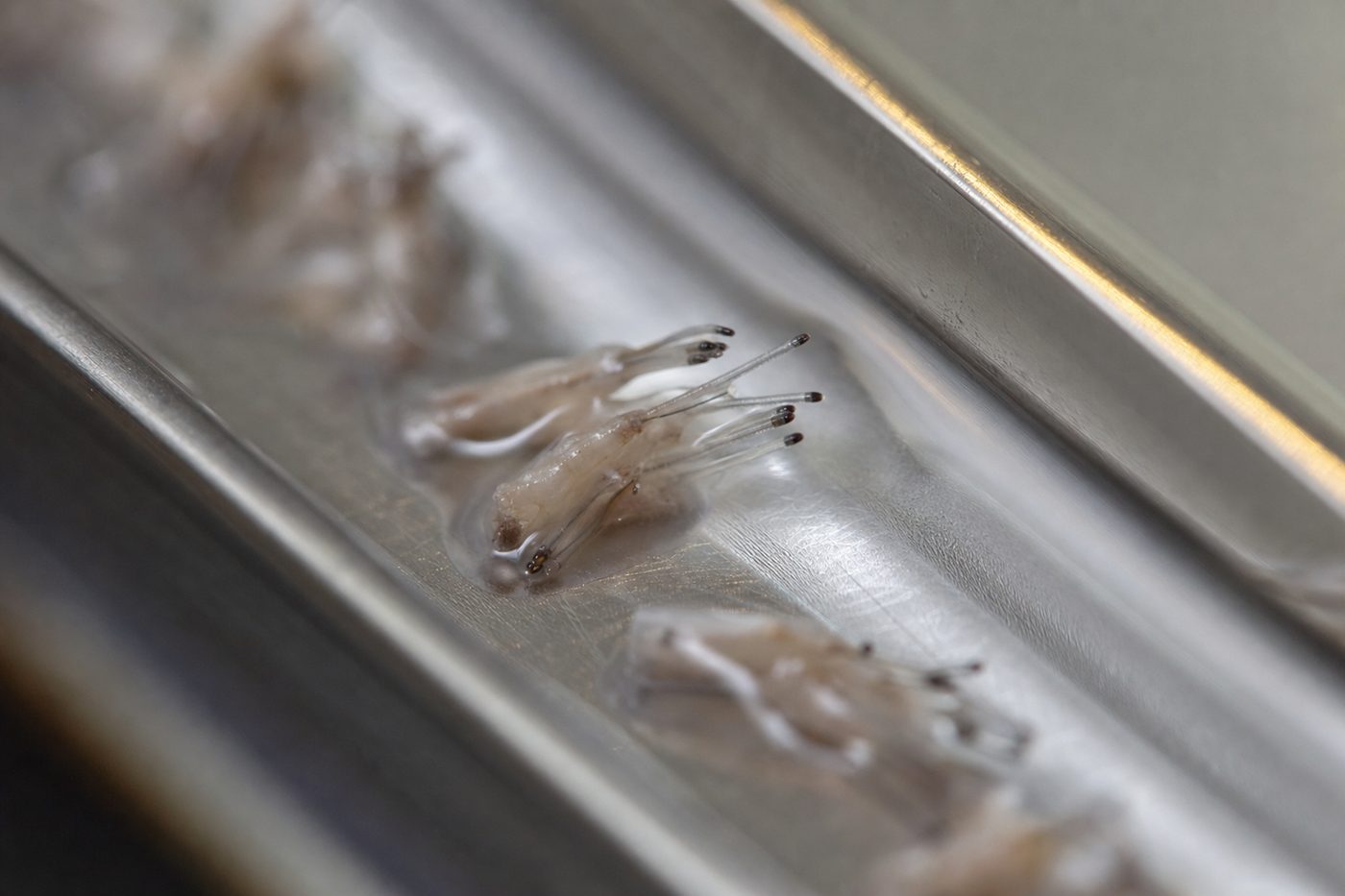
During an FUE procedure, follicular units are moved one by one from the permanent band at the back and sides of the head into the area being restored. The follicle survives the move; the hair shaft it was carrying usually does not. Within a few weeks most transplanted hairs are released, the follicle rests, and then it begins producing a new hair from scratch.
Scalp hair grows at roughly a centimetre a month, and new hairs arrive fine before they thicken. That is why the honest measure of a transplant is taken at twelve months rather than twelve weeks.
Days 1 to 14: healing, not growing
The first fortnight is about protecting the grafts while they anchor.
- Days 1 to 3. Saline misting little and often, sleeping slightly elevated, and letting any swelling settle.
- Day 2. You return to the clinic, where the team removes the bandage and carries out your first wash for you, showing you the technique for the week ahead.
- Days 4 to 7. Gentle washing at home with the shampoo provided. Redness settles for most patients across this week.
- Days 8 to 14. Small scabs soften and lift with gentle massage during washing. Your two-week review falls here.
Most patients are back at a desk within a few days. Small scabs and some redness are usually visible for the first week or so, which is worth planning your diary around.

Weeks 2 to 8: the shed
This is the part nobody enjoys. In the first two months, most often between the second and sixth week, most of the transplanted hairs fall out. It can look as though the procedure is undoing itself.
It looks like a step backwards. It is the cycle working.
What is shed is the hair shaft, not the follicle. The follicle is resting beneath the skin, and it is the follicle that matters. Haircuts, training and swimming come back in stages during this period; your exact timings are confirmed at review rather than guessed from a leaflet.
Months 3 to 6: first real growth
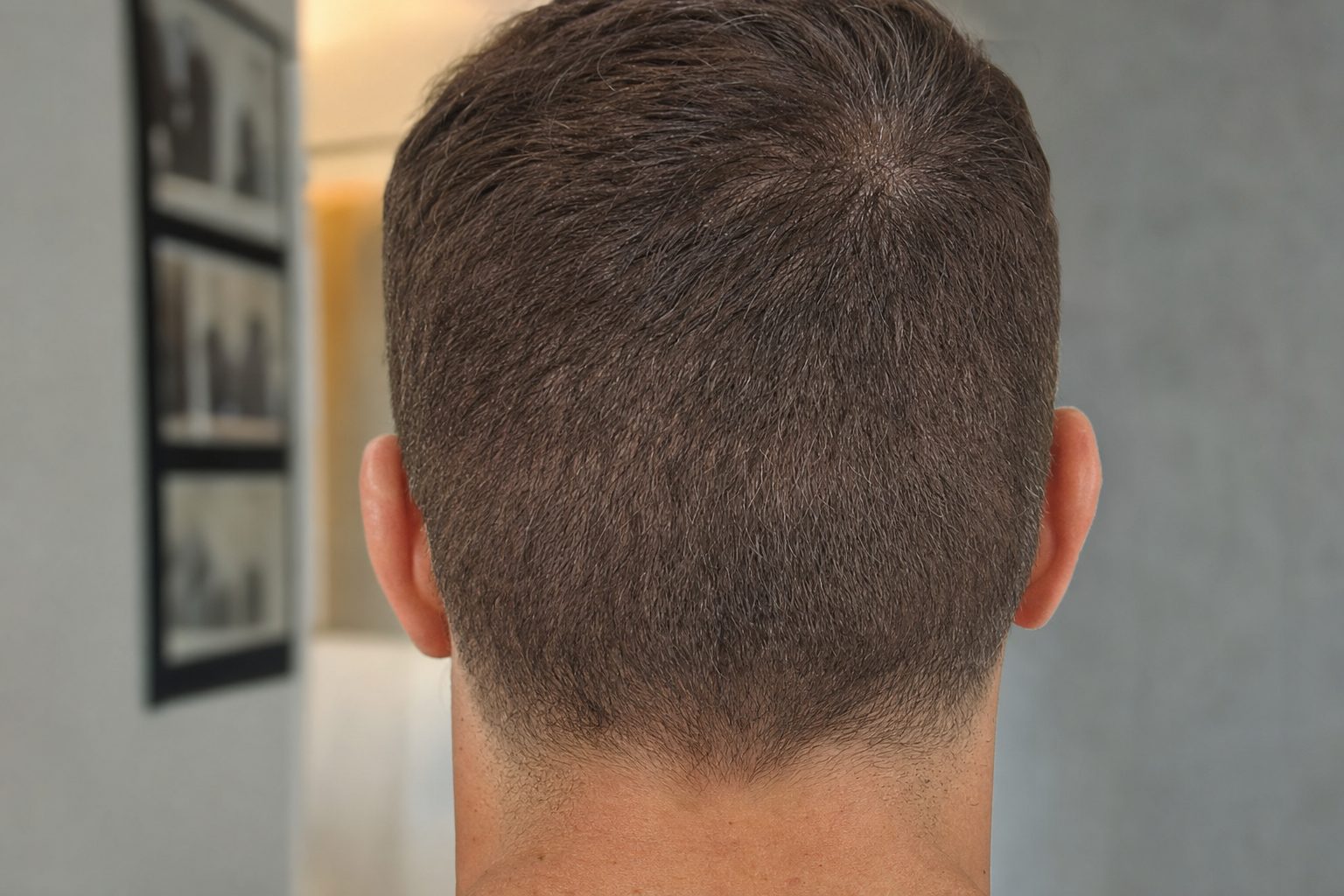
New hairs begin to come through from around month three. At first they are fine, soft and sometimes lighter in colour, and they do not all arrive together. Through months four to six density starts to build, and the new hairline becomes visible as a shape rather than a promise.
At City Clinics your three- and six-month reviews fall in this window. Each is with the surgeon who performed your procedure, progress is photographed against your baseline, and each review is paired with a PRP session to support the growing result.
Months 6 to 12: thickening
From the halfway point the change is less about new hairs and more about the ones already there. Individual hairs gain calibre, texture settles, and the restored area begins to behave like the rest of your hair: it can be cut, styled and largely forgotten about.
Months 12 to 18: the result matures
The twelve-month review is where the result is judged properly, in person, against the plan agreed at consultation. Hairlines tend to arrive first. Crowns take longest, and commonly continue to refine towards the eighteen-month mark.
| When | What you will typically see | Your care at City Clinics |
|---|---|---|
| Days 1 to 14 | Healing: redness settles, small scabs lift | First wash in clinic on day two; two-week review |
| Weeks 2 to 8 | Transplanted hairs shed | The 24-hour line for any concern |
| Months 3 to 6 | First growth, fine at first; density builds | Three- and six-month reviews, each with PRP |
| Months 6 to 12 | Hairs thicken; texture settles | Progress measured against your baseline |
| Months 12 to 18 | The result matures; crowns last | Twelve-month review with your surgeon; final PRP |
What can change your timeline
Every scalp runs its own clock. The area treated matters: crowns are slower than hairlines. So do your own growth cycle, your general health and how closely the early aftercare is followed. None of these is a cause for concern on its own, which is why milestones are set, and reset, at your surgeon reviews rather than read off a chart.
A transplant also does not stop native hair from continuing to thin. Where that is relevant, how to protect the hair you already have is part of the conversation with your surgeon at consultation.
When to call the clinic
If something does not look or feel right, such as pain that is increasing rather than easing, swelling that is getting worse after the first few days, or anything that looks like infection, call. Patients of City Clinics have a 24-hour line that reaches the clinical team, and a photograph usually settles the question in minutes.
The four reviews, four PRP sessions and the 24-hour line described here are part of every City Clinics surgical plan, booked before you leave on the day of surgery. The detail is on our aftercare page.