In this article
FUT: the strip methodFUE: follicle by follicleWhere FUT still has a placeWhat matters more than the method- FUT removes a strip of scalp and leaves a linear scar. FUE extracts follicular units individually and leaves small dot marks.
- Recovery after FUE is typically shorter, with no stitches.
- FUT still has narrow uses, but for most patients FUE is the better trade.
- How the procedure is planned, and who performs it, matters more than the acronym.
Every modern hair transplant rests on the same principle. Hair at the back and sides of the head is genetically resistant to pattern loss, and it keeps that resistance when it is moved. The two established methods differ only in how those follicles are harvested.
FUT: the strip method
Follicular Unit Transplantation removes a band of scalp from the donor area. The wound is closed with stitches, and the strip is divided into grafts under a microscope. It leaves a permanent linear scar across the back of the head, which a short haircut will reveal, and recovery involves stitches and some tightness.
FUE: follicle by follicle
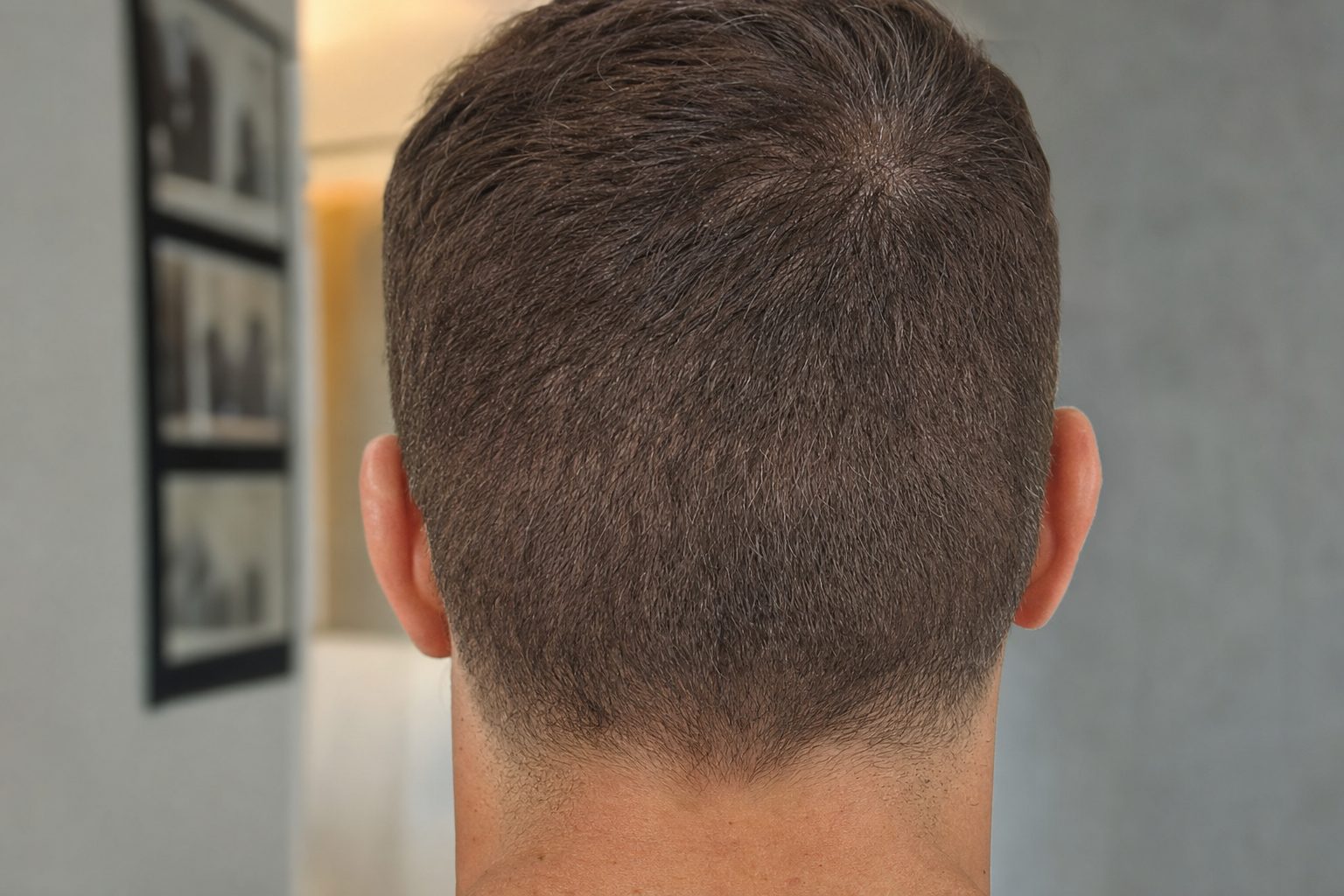
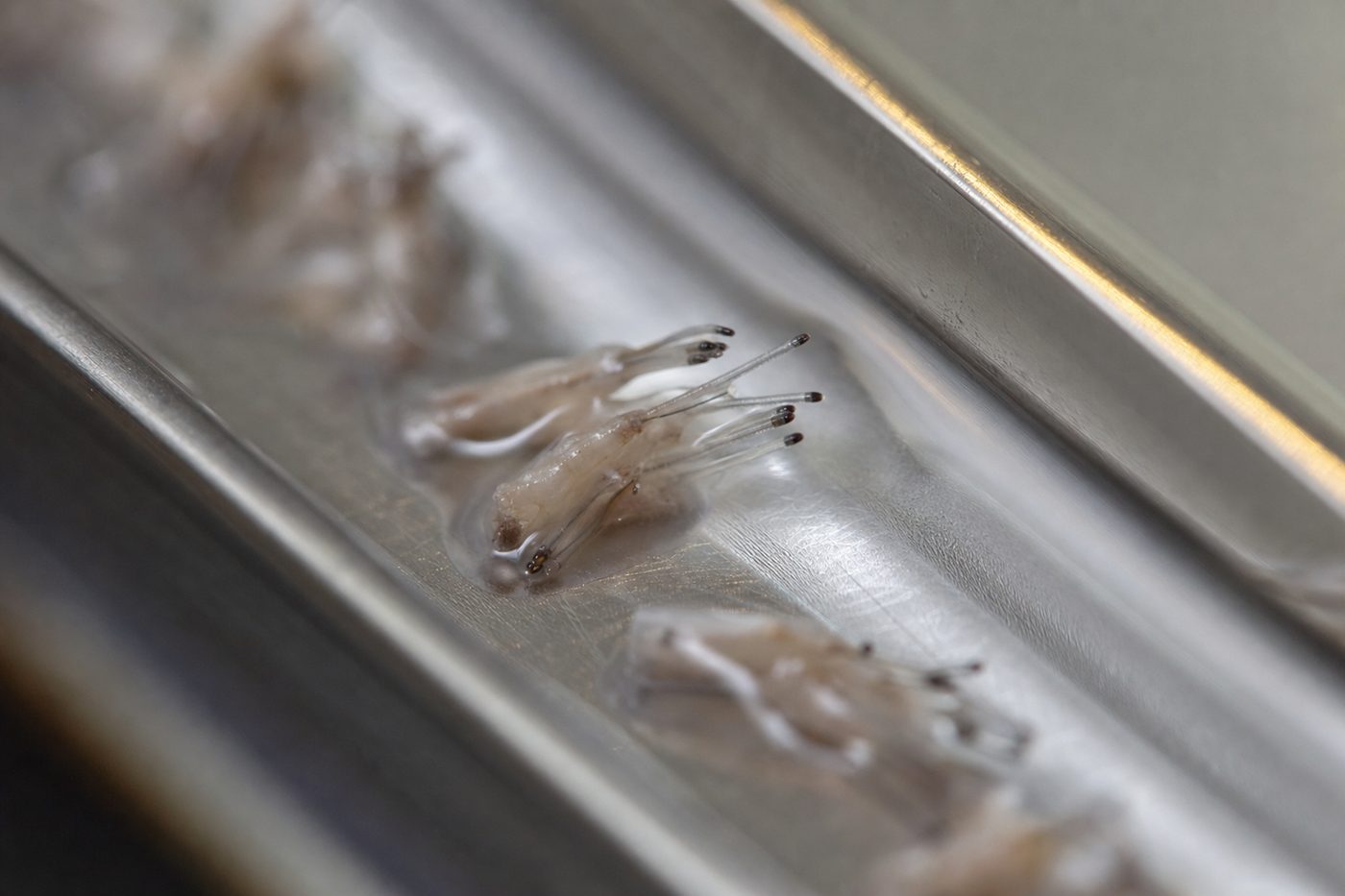
Follicular Unit Extraction takes follicular units one at a time, directly from the donor area, under local anaesthetic. No strip of scalp is removed and there is no linear scar. It leaves small dot marks that settle into an ordinary short cut, there are no stitches, and each unit is chosen individually by the surgeon.
| FUT (strip) | FUE | |
|---|---|---|
| Harvesting | A band of scalp is removed and divided into grafts | Follicular units are extracted individually |
| Marks left | A permanent linear scar | Small dot marks that settle into a short cut |
| Stitches | Yes | No |
| Recovery | Longer, with tightness | Typically shorter |
| Hair length afterwards | Short cuts reveal the scar | Freedom to wear any length |
Where FUT still has a place
The strip method has narrow uses, and a surgeon may occasionally recommend it for a specific case. For most patients, though, the trade is clear, which is why FUE has become the standard.
What matters more than the method
FUE is the procedure. How it is planned, who performs it and how the donor area is managed is what decides the result. Extraction should be even and within safe limits set by measurement, so that the donor area heals to an ordinary short haircut and keeps capacity in reserve. And FUE is still surgery: temporary swelling, redness and small scabs are part of a normal recovery, and the final result is judged at twelve months.
City Clinics performs FUE, with your surgeon carrying out the design, the extraction and the placement personally. Read how we perform FUE, or follow the recovery in our month-by-month growth timeline.