Home·Guidance·Hair Guides
The hair library — answers, not adverts.
Five honest guides from the clinical team: why hair thins, how to look after it, and what the evidence really says about the treatments everyone asks us about. Nothing here is written to sell you anything.
IGuide one
Why am I losing my hair?
For most people the answer is pattern hair loss — androgenetic alopecia. It touches up to four in five men and around two in five women across a lifetime, and it is genetic: follicles at the hairline and crown inherit a sensitivity to normal hormones and slowly miniaturise, each cycle producing a finer, shorter hair than the last.
The rarer causes matter precisely because they are treated differently — stress shedding after illness or childbirth usually recovers on its own; patchy autoimmune loss and deficiency-driven shedding need diagnosis, not surgery. Which is why every City Clinics consultation starts with a scalp examination, not a quote.
The full hair-loss guide →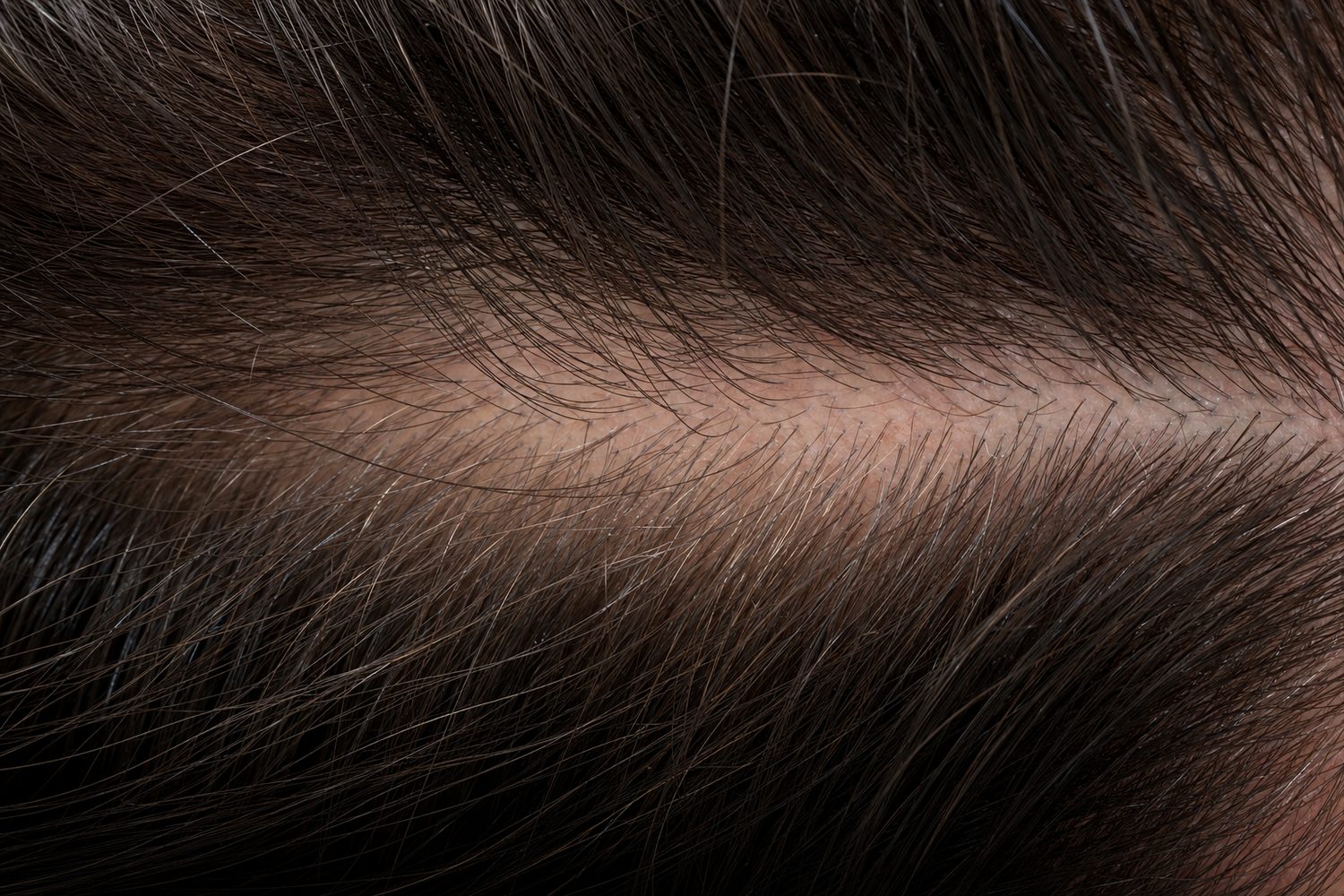
IIGuide two
Caring for hair after surgery.
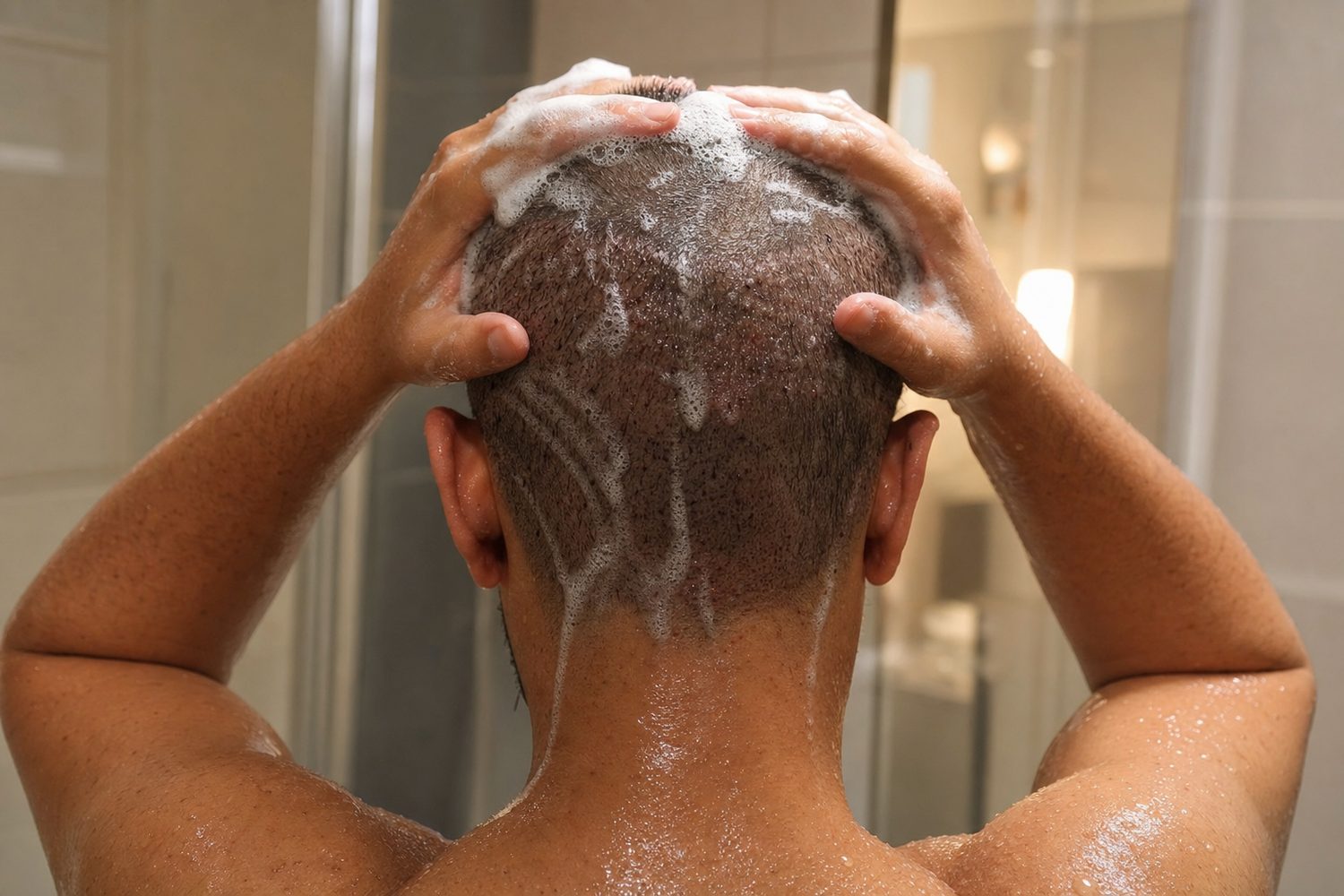
Grafts are placed in a day and secured over a fortnight — and the first two weeks of care decide how comfortably that fortnight goes.
- Cup, never rub — lather in your hands first, pour and pat for the first washes
- Sleep propped for the first nights — swelling drains forward, not into the grafts
- A loose clean hat for sun; no gym, pools or saunas until your surgeon clears them
- Shedding in weeks 2–6 is normal — the follicle stays, the hair returns
IIIGuide three
PRP and laser therapy: what the evidence says.
Both are real, both are researched — and neither is magic. Low-level laser therapy is the one non-drug treatment cleared by the US FDA for pattern loss, with most published studies supporting a modest density benefit. PRP — your own platelets, spun and returned to the scalp — shows meaningful improvement in trials, strongest when combined with other treatment. They thicken what is thinning; neither resurrects a long-bald area.
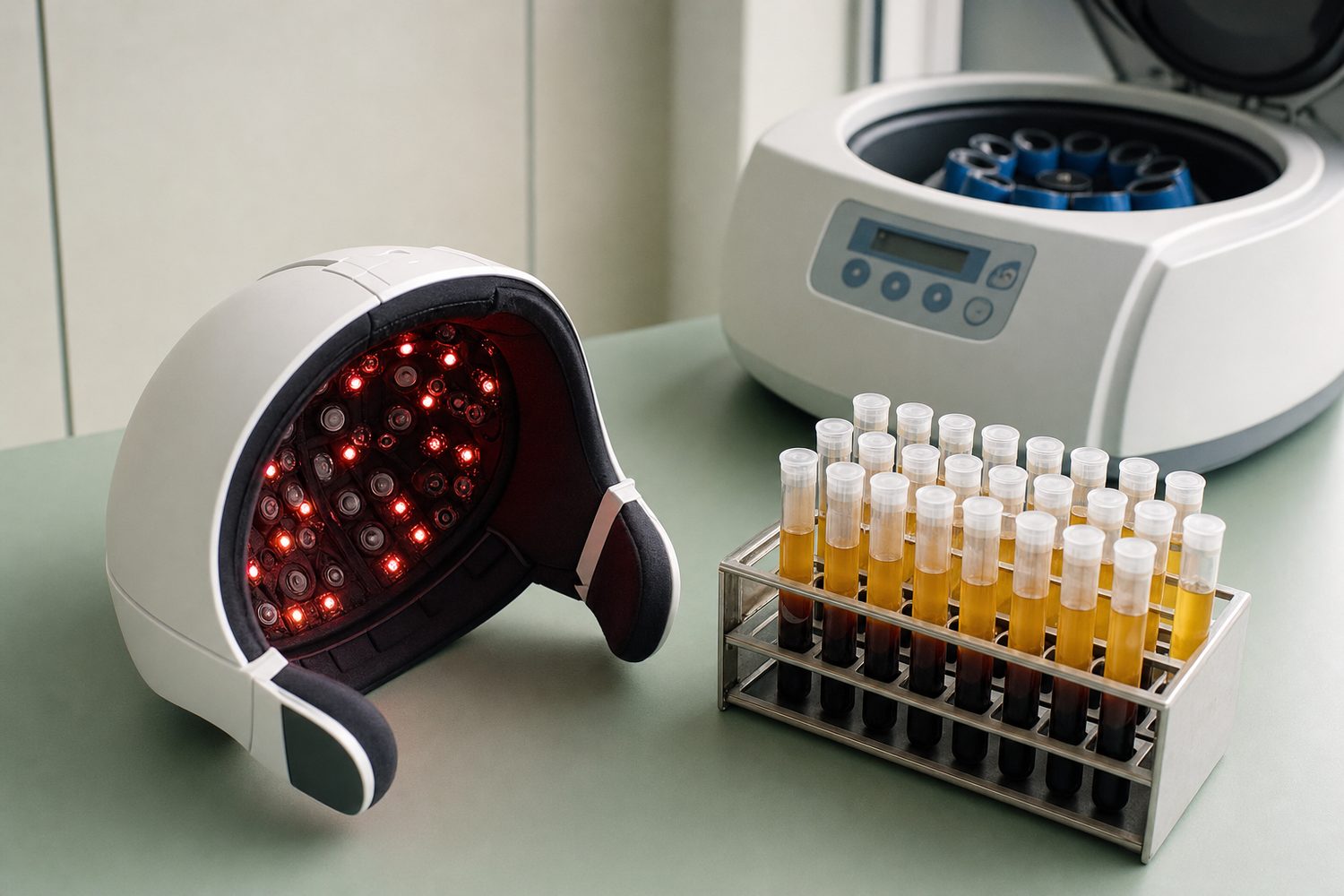
At City Clinics, four PRP sessions are already inside every surgical plan — used where the evidence puts them: supporting growth, not replacing surgery.
IVGuide four
Diet, stress and thinning hair.
Hair is the first thing the body abandons under pressure. Crash diets, major illness, surgery and severe stress can push follicles into their resting phase together — and eight to twelve weeks later the shed arrives. It recovers, but only once the cause does.
The kitchen matters more than the supplement aisle: protein at every meal, iron from meat, lentils and greens, omega-3s from fish, zinc from nuts and seeds. If shedding starts suddenly, the right first move is a blood test — not a subscription.

VGuide five
Vitamins: the honest verdict.
Reviews of the research keep reaching the same quiet conclusion: supplements help hair when they correct a genuine deficiency — low iron and low vitamin D are the two most often linked to shedding, with zinc close behind — and do very little when levels are already normal.
So test before you supplement. And be wary of anything marketed as a cure for pattern loss: genetics does not respond to gummies. If a deficiency shows up, correcting it is cheap, simple and genuinely effective.
Prescription treatment options exist for pattern loss — they are discussed at consultation with your surgeon, where they belong.

Still have a question these didn’t answer?
Bring it to a consultation — the surgeon who would treat you answers it in person, honestly, and without a script. Or read the questions everyone asks first.
Registered with, members of & regulated by